
The first operational stage of the cybersecurity cooperation program between the Ministry of Foreign Affairs and International Cooperation (MAECI) and the Cyber Security Authority (CSA) of Ghana, implemented by the Cyber 4.0 Competence Center.
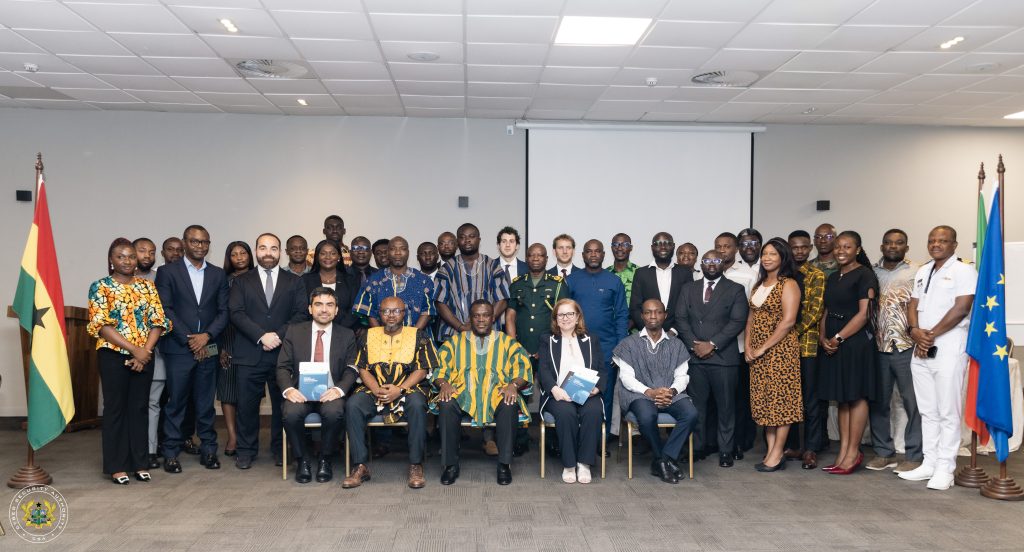
In December 2025, the two institutions signed a bilateral agreement aimed at developing cooperation in cyber in the context of implementing the National Cybersecurity Strategy and Policy, enhancing local professional expertise, facilitating the exchange of best practices, and promoting international engagement. The initiative aims to consolidate the role of excellence achieved by Ghana in cybersecurity at the regional and global levels, enhancing a position already enshrined by the achievement of Level 1 in the ITU’s Global Cybersecurity Index (GCI), with a score of 99.27 percent in 2024.
The one-year cooperation program has three main strands: raising awareness of national cybersecurity policy and strategy, strengthening operational capabilities, and developing cyber diplomacy.
From dialogue to action: the first stage of the cooperation program
Ghana has long been actively pursuing a policy of closer collaboration with several nations, including Italy. In this context, the workshop was a key moment in the transition from strategic planning to operational prioritization of interventions.
During the working sessions, which involved stakeholders from government, industry and academia, shared priorities, key implementation gaps and concrete proposals for strengthening Ghana’s National Cybersecurity Strategy were identified.
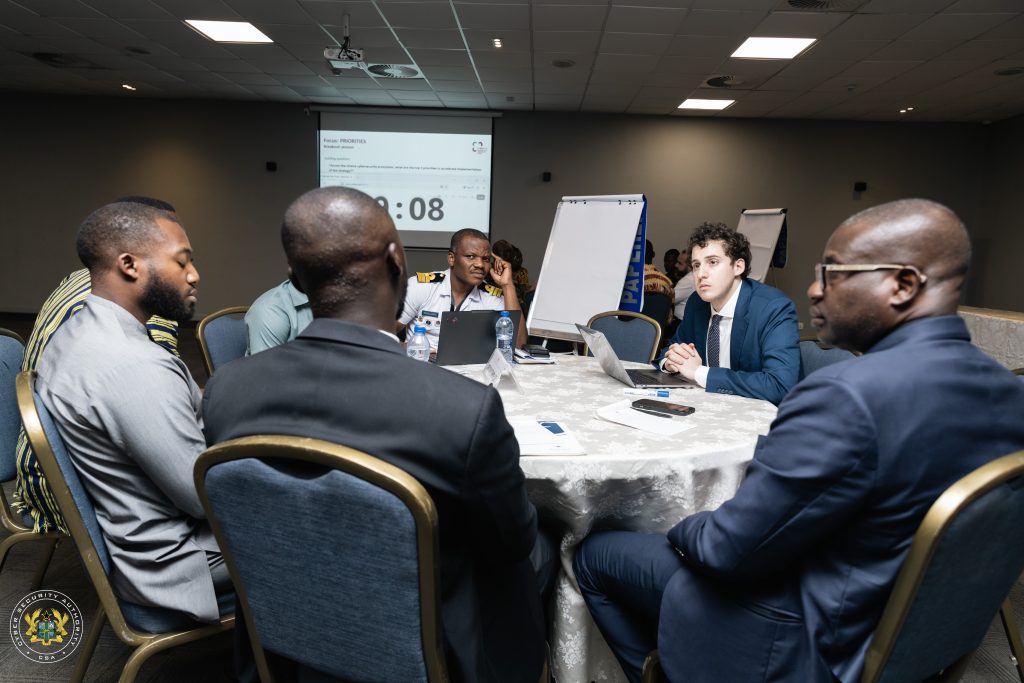
In particular, strong convergence emerged on four critical areas:
– sustainable financing;
– skills and workforce development;
– governance and enforcement;
– effective operational implementation of the strategy.
The session provided valuable inputs to guide the next steps of the cooperation program between Italy and Ghana, also in view of the update of Ghana’s national cybersecurity strategy, scheduled for 2027. Indeed, the main challenges involve not only technical but also institutional aspects, and require coordination, political commitment and long-term investment.
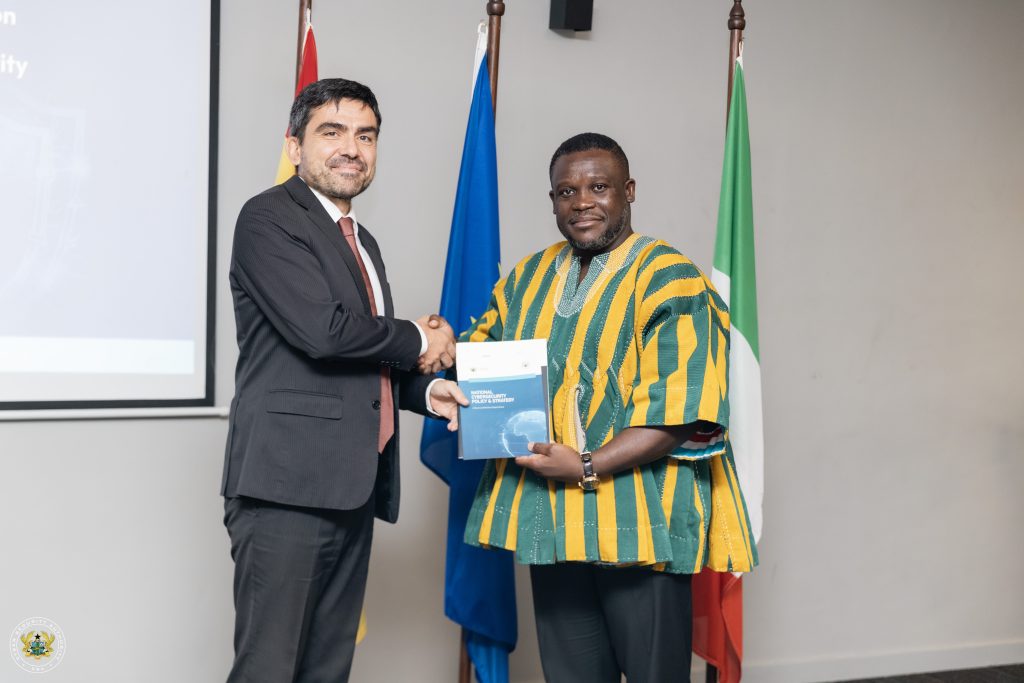
The strategic prominence of the initiative was sealed by the participation of the Minister of Communications and Digital Transformation, Samuel Nartey George, as well as the Director General of the Cyber Security Authority, Divine Selase Agbeti, whose presence testifies to the country’s commitment to considering cybersecurity a priority asset for national security and development.
This commitment will be further enhanced through new initiatives to be launched at the upcoming Cyber 4.0 Forum, consolidating the work of the Competence Center in the international cybersecurity ecosystem.